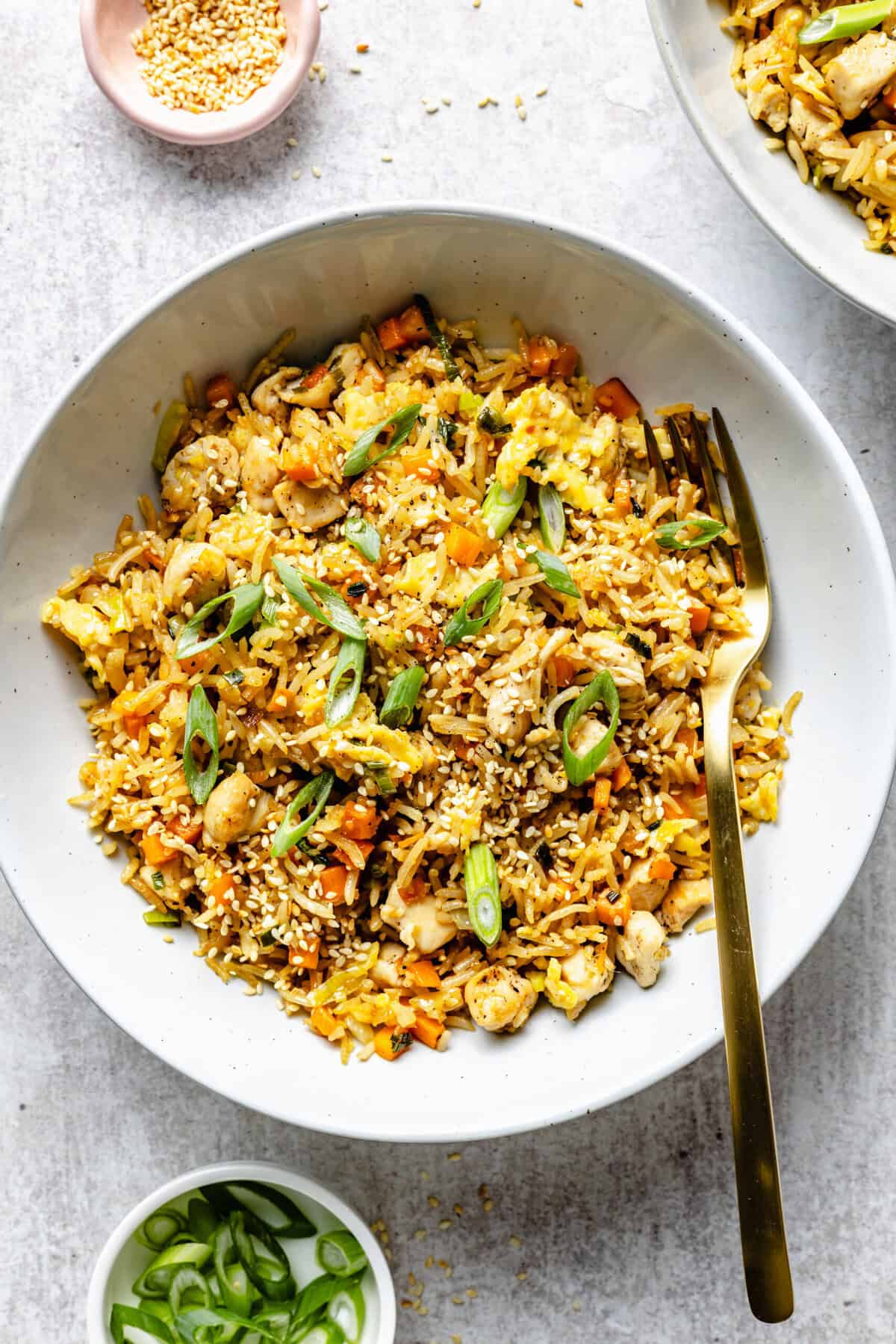
Easy Chicken Fried Rice: Better Than Takeout in Minutes
Imagine a weeknight dinner that’s not only incredibly satisfying but also comes together faster than calling for takeout. This isn't a culinary fantasy; it's the reality of making a truly exceptional
chicken fried rice right in your own kitchen. Forget soggy, bland versions often found in restaurant containers – we’re about to unlock the secrets to a homemade chicken fried rice that boasts juicy chicken, vibrant vegetables, and perfectly textured rice, all infused with an irresistible umami depth. This isn't just an easy recipe; it's a game-changer for your dinner rotation, transforming simple ingredients into a dish so good, you'll purposefully make extra rice just to have leftovers for it.
The Secret Sauce: Why Homemade Trumps Takeout Every Time
For many, the allure of takeout fried rice is its convenience. However, convenience often comes at the cost of quality, customization, and sometimes, even flavor. Chinese takeout restaurants operate on tight margins, often resulting in smaller portions of protein and fewer vegetables to keep prices low. The chicken pieces might be tiny, and the overall dish can feel a bit sparse. This is where your homemade version truly shines, offering an experience that goes far beyond mere sustenance.
Control Your Ingredients, Master Your Flavor
When you make
chicken fried rice at home, you're the master of your culinary destiny. You get to choose high-quality, fresh ingredients. This means plump, tender chicken breast or thigh, crisp vegetables picked to your liking, and the exact amount of seasoning that suits your palate. You can use less oil, control the sodium levels by selecting low-sodium soy sauce, and avoid any unwanted additives. This level of control not only results in a healthier meal but also one bursting with more authentic and nuanced flavors. No longer will you settle for a dish that’s heavy on rice and light on everything else.
More Than Just a Meal: It's an Experience
Beyond the ingredients, there's an inherent joy in creating something delicious from scratch. The sizzling sound of ingredients hitting a hot pan, the intoxicating aroma of garlic and ginger filling your kitchen, and the vibrant colors coming to life – it’s an engaging process that culminates in a meal made with care. It's an "extra-special chicken dinner," as one source puts it, born from a few simple steps that perfect the process, making it easier than ever to make truly outstanding
chicken fried rice at home.
Unlocking the Ultimate Texture: The Leftover Rice Imperative
If there's one golden rule for perfect fried rice, it’s this: *use leftover cooked rice*. This isn't just a suggestion; it's a fundamental principle that separates good fried rice from truly exceptional fried rice. The reason behind this seemingly simple tip lies in the science of moisture.
Why Day-Old Rice Reigns Supreme
Freshly cooked rice is fluffy, soft, and moist. While wonderful in its own right, this high moisture content makes it prone to clumping and becoming mushy when stir-fried. It absorbs too much oil and sauce, leading to a gluey texture rather than distinct, individual grains. Day-old (or even two-day-old) rice, on the other hand, has had time to dry out in the refrigerator. The grains become firmer and separate, allowing them to crisp up beautifully in the wok or skillet without sticking together. This drier texture is crucial for achieving that signature restaurant-quality "chewy, yet tender" fried rice mouthfeel. It also holds its shape better under high heat, preventing it from breaking down. To truly master this technique and ensure your rice is perfect every time, dive deeper into the nuances of rice preparation with our guide on
Transform Leftover Rice: Ultimate Homemade Chicken Fried Rice.
Prepping Your Grain for Greatness
Ideally, cook your rice a day in advance. Once cooked, spread it out on a baking sheet to cool quickly, then transfer it to an airtight container and refrigerate overnight. If you're in a pinch and don't have leftovers, you can still make it work. Cook your rice with slightly less water than usual to produce a drier grain. Once cooked, spread it out and let it cool completely, ideally for a few hours, or even pop it in the freezer for 15-20 minutes to speed up the drying process before stir-frying.
Crafting Your Masterpiece: Key Ingredients and Steps for Perfect Chicken Fried Rice
Building a delicious batch of
chicken fried rice involves a thoughtful selection of ingredients and a rapid, high-heat cooking method. Each component plays a vital role in creating a harmonious and flavorful dish.
The Star: Perfectly Cooked Chicken
The quality and preparation of your chicken are paramount. Unlike takeout versions that might skimp, your homemade fried rice can be "heavier on the chicken," as one source points out, ensuring every bite is satisfying.
*
Choice of Chicken: Boneless, skinless chicken breast or thigh works best. Thigh meat tends to be more flavorful and forgiving, staying juicier than breast meat. If you have leftover rotisserie chicken or pre-cooked chicken tenders, this dish becomes even quicker to prepare.
*
Preparation: Cut the chicken into bite-sized pieces. For extra tenderness, you can "velvet" the chicken by tossing it with a touch of baking soda, soy sauce, and cornstarch before cooking. Cook the chicken separately until just done, then set it aside. This prevents overcrowding the pan and ensures the chicken stays juicy, rather than steaming. To truly elevate the flavor and make your weeknight dinners more robust, consider exploring our insights on how to
Unlock Flavor: Heartier Chicken Fried Rice for Weeknight Dinners.
The Flavor Foundation: Aromatics and Vegetables
These ingredients build the essential aromatic base and add crucial texture and nutrients.
*
Aromatics: Finely minced garlic and ginger are non-negotiable for that authentic Asian flavor profile. A chopped yellow or white onion adds sweetness and depth.
*
Classic Vegetables: Frozen peas, carrots (diced small), and corn are traditional and convenient. Their small size cooks quickly.
*
Optional Additions: Feel free to customize! Diced bell peppers, finely chopped broccoli florets, or even thinly sliced bok choy can add color and crunch. Just ensure vegetables are prepped into small, uniform pieces for even and quick cooking.
The Umami Boost: Sauces and Seasonings
This is where the magic happens, transforming individual ingredients into a cohesive, savory dish.
*
Soy Sauce: A blend of light (all-purpose) soy sauce for saltiness and dark soy sauce for a richer color and deeper, slightly sweeter flavor is ideal.
*
Sesame Oil: A drizzle of toasted sesame oil at the end adds an unmistakable nutty aroma and flavor.
*
Other Seasonings: A pinch of white pepper, a tiny bit of sugar (to balance flavors), and optionally, a dash of oyster sauce for an extra layer of umami can elevate your fried rice significantly.
The Rapid Stir-Fry Method: Building Layers of Flavor
The key to perfect fried rice is high heat and rapid cooking, often in stages.
1.
Scrambled Egg: Many recipes call for cooking shredded or scrambled eggs separately, then adding them back in at the end. This ensures the eggs remain distinct and fluffy.
2.
Aromatics First: Heat a wok or large skillet over high heat with a tablespoon or two of a neutral oil (like canola or grapeseed). Add onions, garlic, and ginger, stir-frying until fragrant (about 30-60 seconds).
3.
Vegetables Next: Add your harder vegetables (carrots, bell peppers) and stir-fry for 1-2 minutes until slightly tender-crisp. Then add softer vegetables (peas, corn) for another minute. Push everything to one side of the pan.
4.
Cooked Chicken: Add your pre-cooked chicken to the empty side of the pan and quickly heat through, perhaps getting a slight sear.
5.
The Rice: Now, add the cold, leftover rice to the pan. Break up any clumps with your spatula. Stir-fry vigorously, tossing and turning the rice to ensure every grain gets coated and lightly toasted. This is where the magic of separating grains and slightly crisping them occurs.
6.
Sauce Integration: Pour your pre-mixed sauce (soy sauces, sugar, white pepper, oyster sauce) evenly over the rice. Continue to stir-fry rapidly, ensuring the sauce coats every grain. Cook until the sauce has been absorbed and the rice looks lightly caramelized, about 2-3 minutes.
7.
Final Touches: Stir in the cooked scrambled egg. Remove from heat and drizzle with toasted sesame oil. Garnish with chopped green onions.
Beyond the Basics: Tips for Next-Level Chicken Fried Rice
While the core recipe is straightforward, a few expert tips can truly make your homemade
chicken fried rice stand out.
Achieving the Illusive "Wok Hei" at Home
"Wok Hei" or "breath of the wok" refers to the complex, smoky aroma and taste imparted to food cooked rapidly in a searing hot wok. While difficult to fully replicate on a home stove, you can get close by:
*
Using a large, heavy-bottomed pan or wok: This helps retain high heat.
*
Cooking in batches: Don't overcrowd the pan. If making a large quantity, cook the rice in two batches to maintain high heat and achieve better browning.
*
High heat, short duration: Keep the heat as high as your stove allows throughout the stir-frying process.
Customization: Make It Your Own
Don't be afraid to experiment!
*
Spice it up: Add a dash of chili garlic sauce or sriracha during the cooking process, or serve with red pepper flakes.
*
Herbs: Fresh cilantro, in addition to green onions, can add a burst of freshness.
*
Protein swap: While chicken is our star, this method works beautifully with pork, beef, shrimp, or even tofu for a vegetarian option.
Common Pitfalls and How to Avoid Them
*
Mushy Rice: As discussed, use day-old, cold rice. Do not rinse the rice before stir-frying (unless you just cooked it and want to remove excess starch).
*
Bland Flavor: Don't skimp on aromatics (garlic, ginger, onion) or the soy sauce blend. Taste and adjust seasonings as you go. A touch of sugar helps balance the saltiness.
*
Dry Chicken: Overcooking the chicken is a common culprit. Cook it quickly and separately, then add it back in at the end just to heat through. Velveting also helps immensely.
Conclusion
Making delicious, better-than-takeout
chicken fried rice at home isn't just easy; it's incredibly rewarding. With a few simple tricks – primarily the use of cold, day-old rice and a hot, fast stir-fry technique – you can transform everyday ingredients into a vibrant, flavorful meal that rivals your favorite restaurant, often in less time than it takes to get delivery. So next time you're craving that comforting classic, skip the takeout menu and create your own culinary masterpiece. Your taste buds, and your wallet, will thank you.