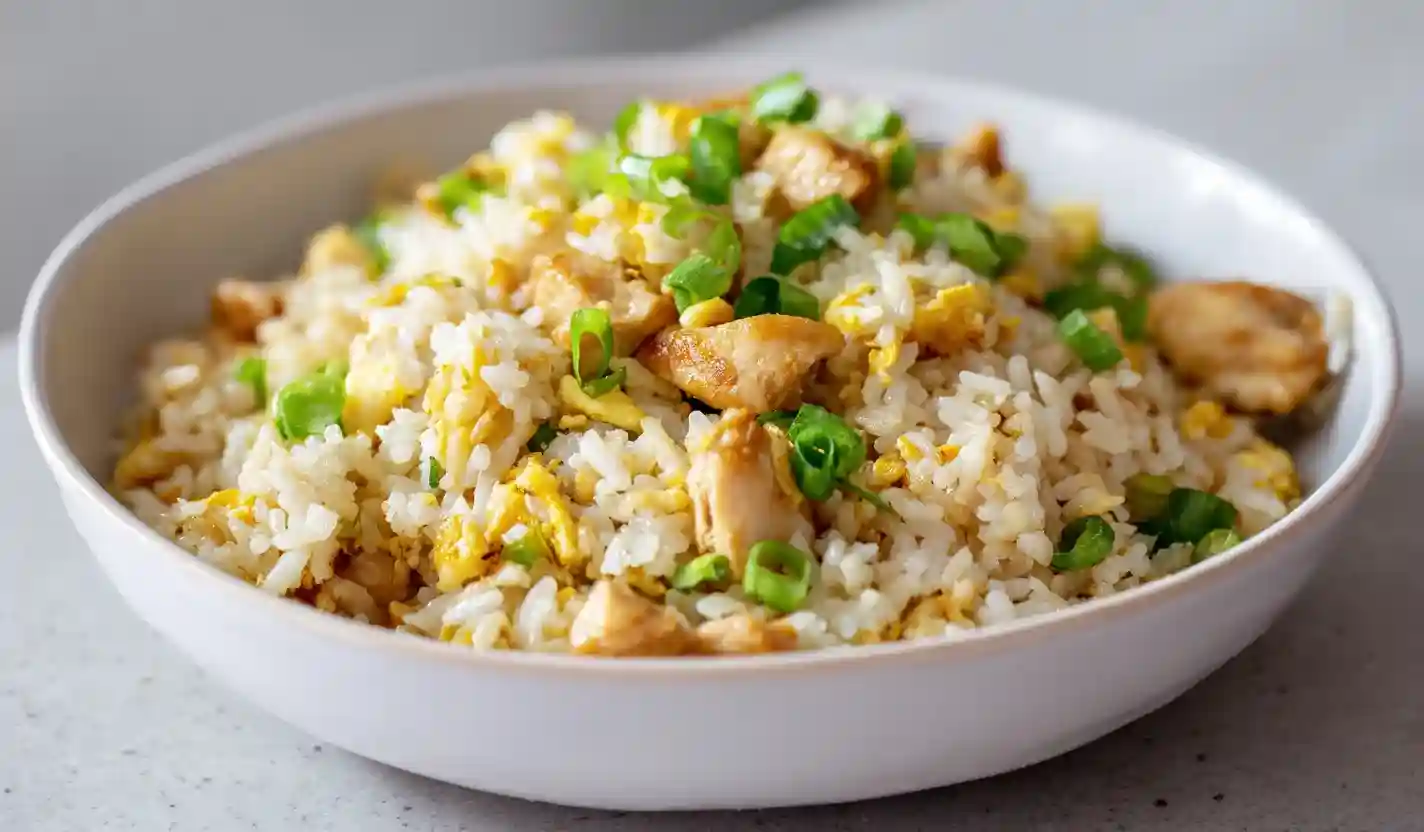
Transform Leftover Rice into a Culinary Masterpiece: The Ultimate Homemade Chicken Fried Rice
There's a universally acknowledged truth among home cooks and culinary enthusiasts: some dishes are simply better when made with leftovers. And when it comes to the revered stir-fry, this truth shines brightest with **chicken fried rice**. Forget calling for takeout tonight; the secret to an incredibly flavorful, satisfying, and easy weeknight meal is likely sitting in your refrigerator right now. This comprehensive guide will empower you to transform yesterday's humble rice and a few simple ingredients into a dish that not only rivals but often surpasses your favorite restaurant version.
Many of us, when preparing a batch of fluffy white rice, might unconsciously make a little extra. For those in the know, this isn't an accident—it's strategic planning. That day-old, chilled rice is the undisputed MVP of **homemade chicken fried rice**, laying the foundation for a meal that's both comforting and exciting. While countless variations of fried rice exist, from classic vegetable to savory pork, the chicken rendition holds a special place, often becoming the go-to recipe you'll return to again and again. Its simplicity and robust flavor profile make it an ideal candidate for an extra-special chicken dinner that comes together with surprising ease.
Why Leftover Rice is Your Fried Rice Secret Weapon
The cornerstone of any truly exceptional fried rice lies in its texture, and this is precisely where leftover, chilled rice becomes non-negotiable. Freshly cooked rice is moist and sticky, making it prone to clumping and turning mushy when stir-fried. It releases too much steam, hindering the distinct separation of grains that defines perfect fried rice.
Conversely, rice that has spent a night or even several hours in the refrigerator loses a significant amount of its moisture content. The grains become firmer and more distinct, allowing them to absorb the savory sauces without becoming waterlogged. This drier texture is crucial for achieving that characteristic light, fluffy, yet slightly chewy consistency, and it allows each grain to crisp up beautifully when it hits the hot wok. So, the next time you cook rice, be intentional about making a little extra – it's a strategic move for future culinary delights!
Beyond Takeout: Elevating Your Chicken Fried Rice Experience
One of the most common complaints about takeout fried rice, especially the chicken variety, is the often-scant amount of protein and the diminutive size of the chicken pieces. Restaurants, understandably, operate on tight margins, often resulting in chicken taking a back seat to rice and a minimal scattering of vegetables. For those who find chicken less flavorful than, say, beef or shrimp in a stir-fry context, this can be a real disappointment.
However, when you take the reins and prepare **chicken fried rice** at home, you unlock a world of possibilities. You're in complete control, allowing you to prioritize juicy, substantial chunks of chicken and a generous medley of crisp, vibrant vegetables. This control isn't just about quantity; it's about quality and flavor.
Here's how homemade truly shines:
* **Heartier Chicken Portions:** Forget tiny shreds. With your own kitchen as the stage, you can cut chicken breast or thigh into generous, bite-sized pieces. We recommend using about 1 to 1.5 pounds of chicken for a dish that feels truly substantial.
* **Enhanced Chicken Flavor:** To combat the perception that chicken isn't the most flavorful protein, we employ a few simple but effective techniques. Marinating the chicken briefly in a mixture of soy sauce, a touch of sesame oil, cornstarch, and a pinch of sugar can tenderize it and infuse it with umami. Searing it quickly in batches before adding other ingredients ensures it develops a beautiful golden crust and locks in moisture, resulting in truly juicy, flavorful morsels. This focus on delicious, well-prepared chicken is what makes our recipe truly stand out and is a key factor in why it tastes better than takeout. For more ideas on boosting flavor, check out
Unlock Flavor: Heartier Chicken Fried Rice for Weeknight Dinners.
* **Abundant, Crunchy Vegetables:** While peas and carrots are classic, homemade fried rice invites a bounty of fresh produce. Think finely diced onions, bell peppers (red, yellow, or orange for color), thinly sliced cabbage, corn kernels, or even tender-crisp broccoli florets. Adding bean sprouts at the very end provides a fantastic fresh crunch. Prepping these vegetables in advance is key to a smooth stir-frying process.
* **Ingredient Quality:** You choose your soy sauce, your cooking oil, and your fresh produce. Opting for high-quality ingredients can significantly elevate the overall taste of your dish.
Mastering the Stir-Fry: Techniques for Ultimate Flavor and Texture
Creating restaurant-quality **chicken fried rice** is less about complex steps and more about understanding the principles of stir-frying. It's a fast-paced cooking method that demands high heat and organized ingredients.
1. **Prep is Paramount (Mise en Place):** Before you even turn on the stove, have ALL your ingredients prepped, chopped, and measured. This includes your cold rice, marinated chicken, diced vegetables, whisked eggs, and your sauce mixture. Stir-frying moves quickly, and you won't have time to chop garlic mid-cook.
2. **Heat is Your Friend:** Use a wok or a large, heavy-bottomed skillet (cast iron or stainless steel works well). The key is to get it screaming hot before adding oil. This creates the "wok hei" (breath of the wok) – that smoky, charred aroma and flavor that defines authentic stir-fries.
3. **Don't Overcrowd the Pan:** This is a common pitfall. If you add too many ingredients at once, the temperature of the pan drops, and everything steams instead of fries. Cook in batches if necessary, especially the chicken, searing it until golden and then setting it aside.
4. **Layering Flavors:**
* **Aromatics First:** Start with a tablespoon of oil (a high smoke point oil like canola, grapeseed, or peanut oil is ideal). Add minced garlic and ginger, stir-frying for just 15-30 seconds until fragrant.
* **Vegetables:** Add your harder vegetables (onions, carrots, bell peppers) next, stir-frying until tender-crisp. Softer vegetables like peas and corn can go in later.
* **Eggs:** Push the ingredients to one side, add a little more oil, and scramble your whisked eggs directly in the pan until just set. Break them into smaller pieces and mix with the vegetables.
* **Rice & Chicken:** Add your cold rice, breaking up any clumps. Incorporate the cooked chicken. Stir-fry vigorously, letting the rice get slightly crispy on the bottom.
* **Sauce:** Pour your prepared sauce mixture evenly over the rice. The basic sauce often includes soy sauce (both light for salt and dark for color), a splash of oyster sauce (for umami depth, optional), a pinch of sugar to balance, and a dash of white pepper.
* **Finishing Touches:** Just before serving, drizzle in a teaspoon of sesame oil for an aromatic boost. Garnish with chopped green onions.
Essential Ingredients and Customization Tips for Your Homemade Chicken Fried Rice
The beauty of **chicken fried rice** lies in its adaptability. While a core set of ingredients forms the foundation, feel free to customize based on your pantry and palate.
**Core Ingredients:**
* **Cold, Day-Old Cooked Rice:** Absolutely essential. Long-grain white rice like jasmine or basmati works best.
* **Chicken:** Boneless, skinless chicken breast or thighs, cut into bite-sized pieces.
* **Eggs:** Whisked, then scrambled into the mix.
* **Soy Sauce:** A combination of light soy sauce for salinity and dark soy sauce for a deeper color and richer flavor.
* **Aromatics:** Fresh garlic and ginger, finely minced.
* **Vegetables:** Peas and carrots are classic, but expand to include corn, diced onion, bell peppers, or even mushrooms.
* **Oil:** High smoke point oil for stir-frying (canola, grapeseed, peanut).
* **Sesame Oil:** Added at the very end for its distinct aroma.
* **Green Onions:** For garnish and a fresh, mild oniony bite.
**Flavor Enhancers & Customization:**
* **Oyster Sauce:** A secret weapon for deep, savory umami. A tablespoon or two can transform the flavor profile. (Skip for vegetarian/vegan versions).
* **Sriracha or Chili Garlic Sauce:** For those who enjoy a kick of heat. Add a dash to your sauce mix or serve on the side.
* **Sugar:** A pinch helps to balance the savory flavors and enhance browning.
* **White Pepper:** Offers a subtle, earthy heat distinct from black pepper.
* **Gluten-Free:** Easily adapted by using tamari instead of soy sauce.
* **Extra Veggies:** Don't hesitate to add finely chopped broccoli florets, snap peas, or even thinly sliced zucchini.
* **Protein Variations:** While this article focuses on chicken, the same principles apply if you want to swap in shrimp, pork, beef, or tofu.
For a speedy rendition that still tastes incredible, remember that preparation is key. You can have
Easy Chicken Fried Rice: Better Than Takeout in Minutes ready if your ingredients are prepped.
Conclusion
Making **homemade chicken fried rice** is more than just a recipe; it's an opportunity to create a truly personalized, satisfying meal from simple beginnings. By embracing the critical role of leftover rice, thoughtfully preparing your chicken, and mastering a few basic stir-frying techniques, you can consistently achieve a dish that boasts perfectly separated grains, juicy chicken, and a harmonious blend of flavors and textures. It's easy, versatile, and undeniably delicious, making it the ultimate weeknight hero that will keep you coming back for more. So, next time you have some rice lingering in the fridge, don't just see leftovers—see the potential for an extraordinary culinary creation!